Resin Flooring versus Vinyl Flooring
Choosing the right flooring for your space is more than just a design decision.
Floors must handle heavy foot traffic, machinery, and cleaning, all while supporting safety, comfort, and aesthetics. While vinyl flooring offers some benefits, resin flooring stands out for commercial and industrial spaces where durability, hygiene, and long-term performance are critical.
In this guide we'll compare resin flooring and vinyl flooring so you can see why resin often emerges as the superior choice for demanding environments.
High Performance
Resin flooring is a resinous system applied direclty to concrete, creating a seamless, hard surface that excels under heavy use. Resins possess superior mechanical, thermal, and chemical resilience, making them highly resistant to chemicals, stains, and impacts, making a resin floor ideal for industrial and commercial settings.
Its non-porous surface also simplifies cleaning and maintenance, supporting hygienic environments in hospitals, labs, and kitchens. Added texture can provide needed slip resistance.
Vinyl flooring is softer and more forgiving underfoot, offering slip resistance and sound absorption. It's worth noting that some resin systems can also offer sound absorption. While it can improve comfort for standing employees and reduce noise, it doesn't match resin flooring's resistance to heavy machinery, chemical spills, or high-impact use. Vinyl is better suited to low-impact, people-focused areas rather than industrial operations.
Maximum Durability
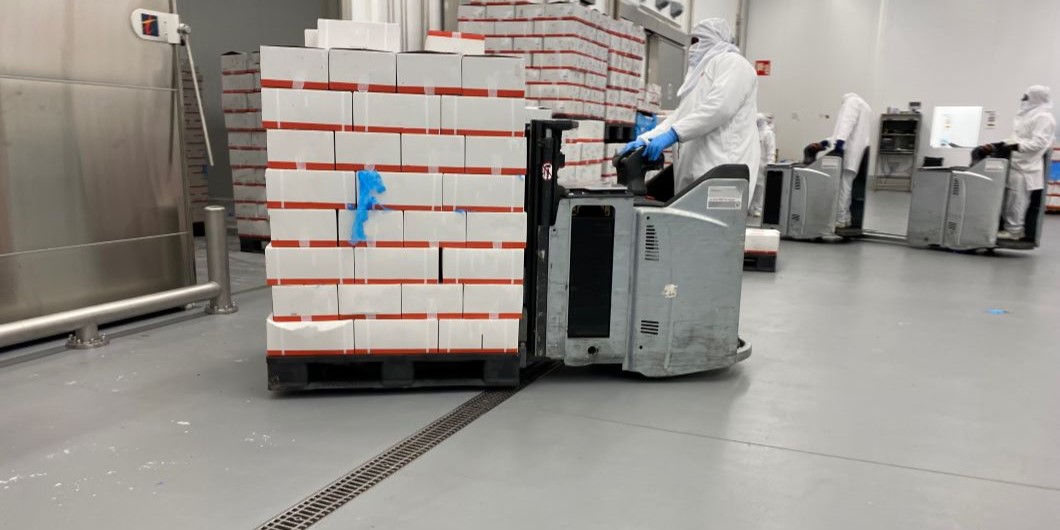
Resin floors are exceptionally tough, standing up to forklifts, carts, and heavy traffic without cracking or wearing down. With proper installation and maintenance, the right resin flooring system can last over 15 years. Resin floors can be customised with anti-slip textures or coatings to prevent slips in wet areas, making them a long-term solution for demanding environments.
While vinyl is durable for light-to-moderate traffic, it can wear faster in areas exposed to sharp objects, rolling loads, or heavy equipment. Vinyl also has frequent joints as it is a sheet applied system and they can be a critical point of failure if not properly maintained. It's typical lifespan of 10-15 years, along with the fact that it must be torn out and replaced when it reaches the end of its life, makes it less reliable for high-impact industrial settings compared with epoxy.
Where does resin flooring excel?
Warehouses and distribution centres, manufacturing plants, automotive service areas, hospitals and laboratories, commercial kitchens.
Where is vinyl flooring best suited?
Fitness centres and gyms, schools and daycare facilities, offices and retail spaces.
In most commercial or industrial facilities, resin is the pratical choice for main workspace, while vinyl may complement it in employee rest areas where comfort is more of a priority. However, there are resin systems available such as the Stonres STR & Stonres RTZ which are comfort systems designed to be soft under foot and sound absorving which can offer the same benefits with prolonged lifespan.
In Summary
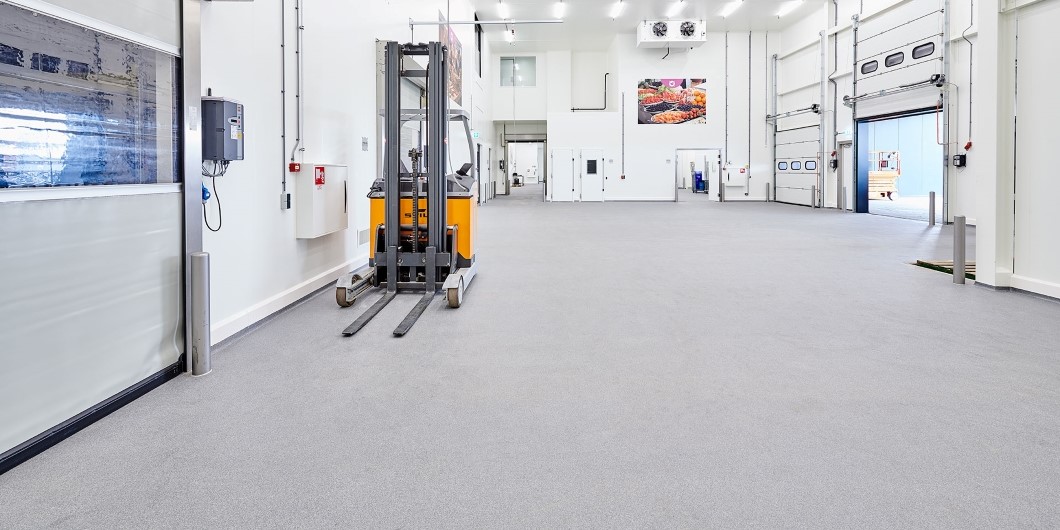
Resin flooring offers unmatched performance, durability, and longevity for commercial and industrial spaces. While vinyl has niche applications, resin provides a superior long-term investment for facilities that demand strenght, hygiene, and resilience.
Not sure which is right for your facility? Contact your local Territory Manager, they can help evaluate your environment and recommend a solution that ensures both performance and durability.